The FAA WINGS Safety Program & NASA Callback: Stack the Odds in Your Favor We all want to fly safely, yet, each year NTSB records reveal the same stubborn problems. While it’s true some aircraft...
A Perfect Storm Created the Aviation Industry’s Pilot Shortage Problem The aviation industry and government regulators have created a perfect storm, but you have to look closely at the radar to...
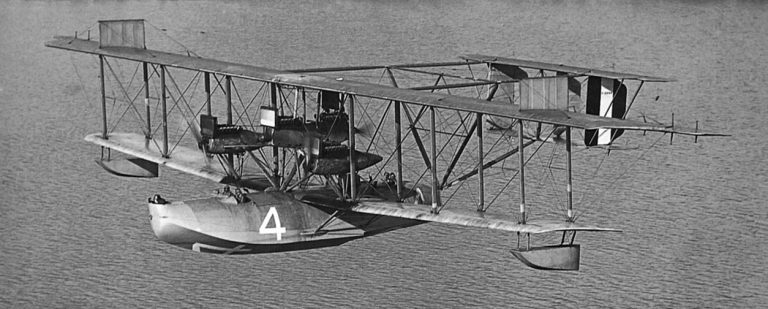
Aviation History Is Full Of Great Stories and Important Lessons If you don’t know where we’ve been you won’t know where you’re going. Today’s aviation press is full of...
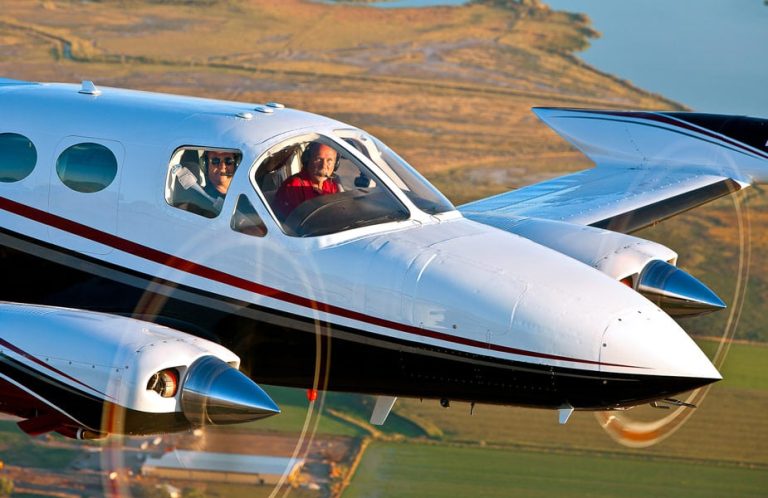
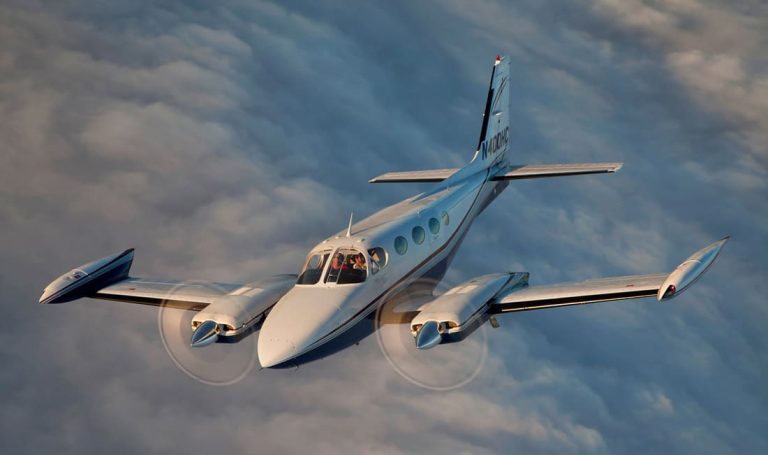
The Cessna 340: One Of General Aviation’s Most Popular Pressurized Twins Featured Image: Courtesy of Jessica Ambats Cessna had a great thirty-year run with the Cessna 310 twin. And less than...
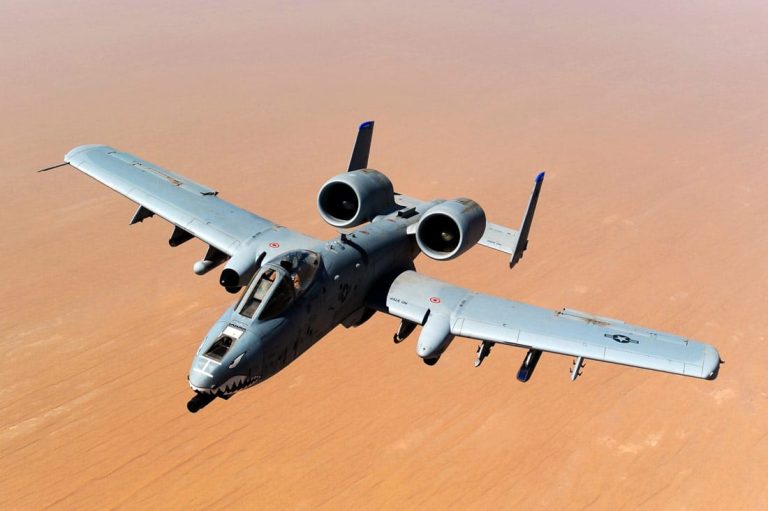
The Call of the A-10 Warthog The A-10 Warthog. Combat ground troops love it and Air Force leaders hate it, favoring the new F-35. What does that say about the current state of military affairs? But...
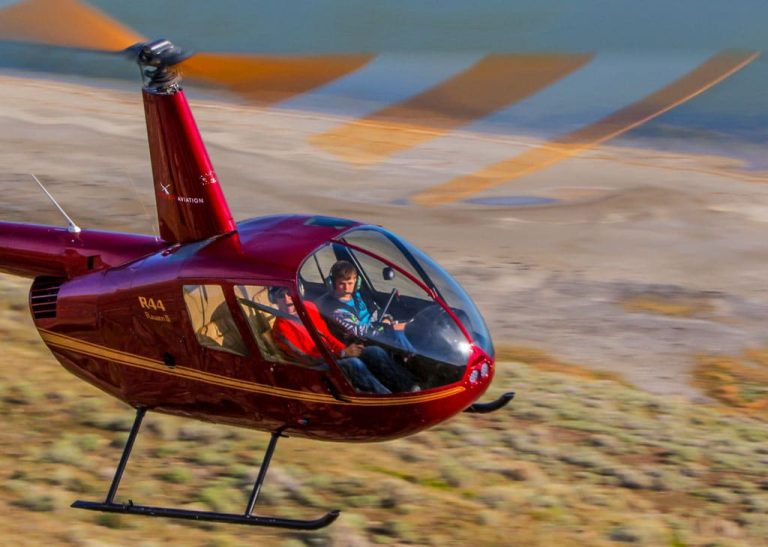
The Robinson R44 Helicopter: The Top Piston Helicopter Available The Robinson R44 helicopter is a four-seat follow-up to the highly successful R22 two-seat helicopter trainer, taking to the skies 15...
The FAA WINGS Pilot Proficiency Program Gets to the Core of GA Safety The WINGS Pilot Proficiency Program is the FAA’s recurrent training program for general aviation (GA) pilots. Perhaps you’ve had...
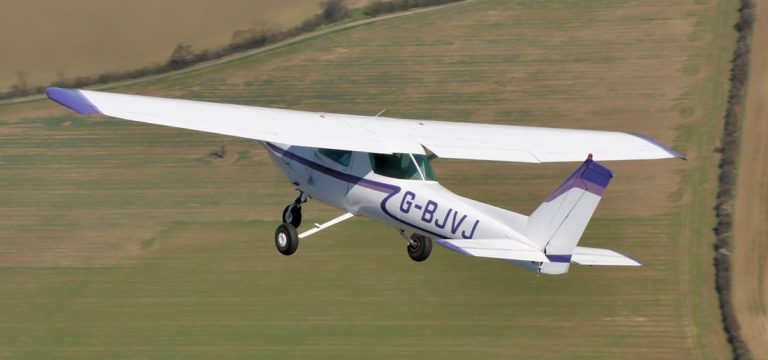
A Bird’s Eye View of the Cessna 152 The relentless sun rose in the summer sky, reflecting off the tarmac as Chase trotted toward the Cessna 152 flight trainer. The little workhorse aircraft wore...
What is Hypoxia, and What Causes It? True or False: As a general aviation pilot who never flies above 10,000 feet, you don’t need to be concerned about the effects of hypoxia. The answer is false of...